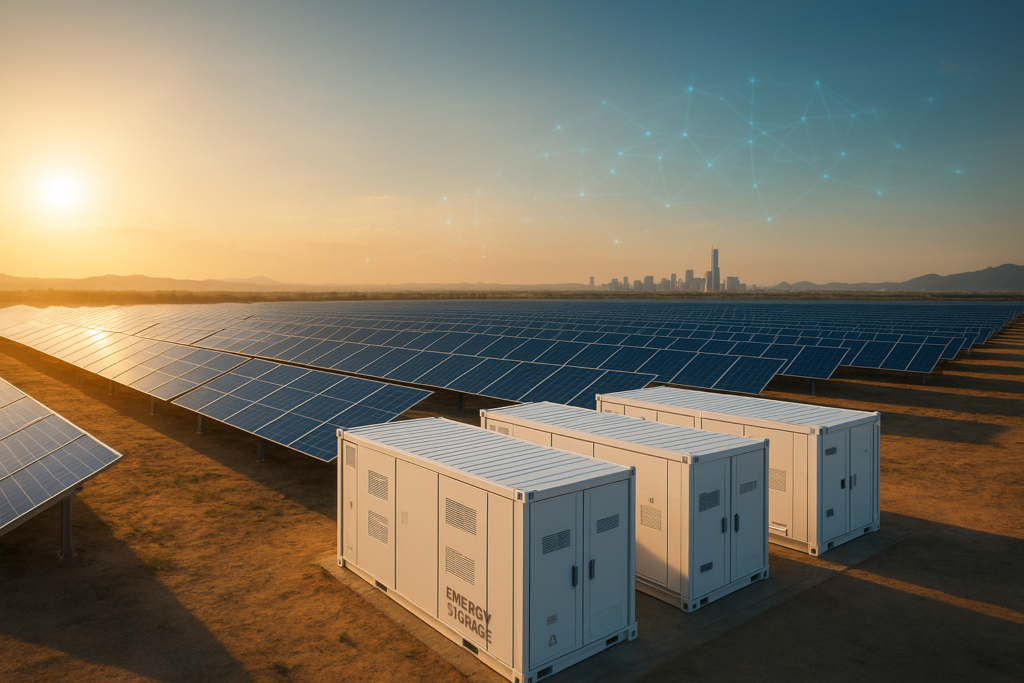

Battery storage is emerging as the critical component that could unlock the full potential of Pakistan’s rapidly expanding solar sector. While the country has witnessed a surge in solar installations over the past few years, the absence of reliable, large‑scale storage solutions continues to limit grid stability, curtails investment confidence and hampers the transition to a low‑carbon energy mix.
The growth of solar photovoltaic capacity in Pakistan has been impressive, driven by declining panel costs, supportive policies and increasing awareness among commercial and residential users. Yet the intermittent nature of solar generation creates a mismatch between supply and demand, especially during evenings and cloudy periods. Without an effective way to capture excess daytime electricity, the grid is forced to rely on conventional fossil‑fuel plants, negating many of the environmental and economic benefits of solar power.
Energy storage technologies—particularly lithium‑ion battery systems—offer a practical answer to this challenge. By storing surplus solar output during peak sunlight hours and releasing it when the sun sets, batteries can smooth out fluctuations, reduce the need for costly peaking power plants and improve overall system efficiency. In addition, battery‑backed micro‑grids can provide reliable electricity to remote communities that are not connected to the national grid, supporting rural development and reducing dependence on diesel generators.
Several recent projects illustrate the promise of storage in the Pakistani context. A utility‑scale solar farm in the southern province recently integrated a megawatt‑hour battery array, achieving a measurable reduction in curtailment and providing ancillary services such as frequency regulation. Meanwhile, a private commercial complex in the capital city installed a rooftop battery system that cut its electricity bills by more than twenty percent and enhanced resilience during load‑shedding events.
Despite these successes, widespread deployment faces a series of obstacles. High upfront capital costs remain a primary barrier, even as the price of battery cells continues to fall globally. Financing structures are still evolving, and many developers lack access to affordable long‑term credit. Regulatory frameworks also need refinement; clear rules for grid interconnection, tariff structures for stored energy and mechanisms to reward ancillary services are essential to attract private investment.
Policy makers are beginning to address these gaps. Recent amendments to the renewable energy policy introduce incentives for hybrid solar‑storage projects, including tax breaks and accelerated depreciation for battery assets. The national electricity regulator is drafting guidelines that will allow storage operators to participate in the wholesale market, creating new revenue streams beyond simple arbitrage. International development agencies are also showing interest, with several financing proposals aimed at de‑risking large battery installations.
For Pakistan to fully harness its solar potential, a coordinated approach is required. Stakeholders must align on standards for safety and performance, develop local supply chains to reduce dependence on imports, and promote workforce training in battery technology. Public awareness campaigns can further highlight the economic advantages of storage, encouraging businesses and households to adopt integrated solar‑battery solutions.
In summary, battery storage represents the missing link in Pakistan’s solar revolution. By bridging the gap between generation and consumption, storage can enhance grid reliability, lower operating costs and accelerate the country’s shift toward sustainable energy. Accelerating investment, refining regulations and fostering technical expertise will be key to turning this opportunity into a lasting transformation of Pakistan’s power landscape.