
**Past Shadows in Contemporary Pakistani Fiction**
The opening line of *The Kite Runner* likens memory to a wild animal that “claws its way out” when least expected. This vivid metaphor captures a timeless literary device: the use of the past to shape character, plot, and theme. Pakistani writers are embracing the same technique, revealing hidden emotional layers and confronting personal trauma through their narratives.
**Exploring History Through Character**
When authors peel back the layers of a character’s history, they create three‑dimensional figures that resonate with readers. The process invites audiences into the inner lives of protagonists, allowing writers to address unresolved wounds and societal pressures. In Pakistani literature, this approach has become a powerful tool for examining the complexities of modern life while honoring cultural roots.
**Safinah Danish Elahi’s Fresh Perspective**
Poet, publisher and novelist Safinah Danish Elahi continues this tradition, but she avoids the predictable clichés that often accompany revelations of scandal or betrayal. Instead, her three novels focus on ordinary Karachi residents navigating childhood trauma and the evolving sense of home in a rapidly globalising world. Elahi’s storytelling is intimate rather than political, offering readers a personal lens on the everyday struggles of middle‑class families, migrant workers, and young professionals.
**Themes of Trauma and Belonging**
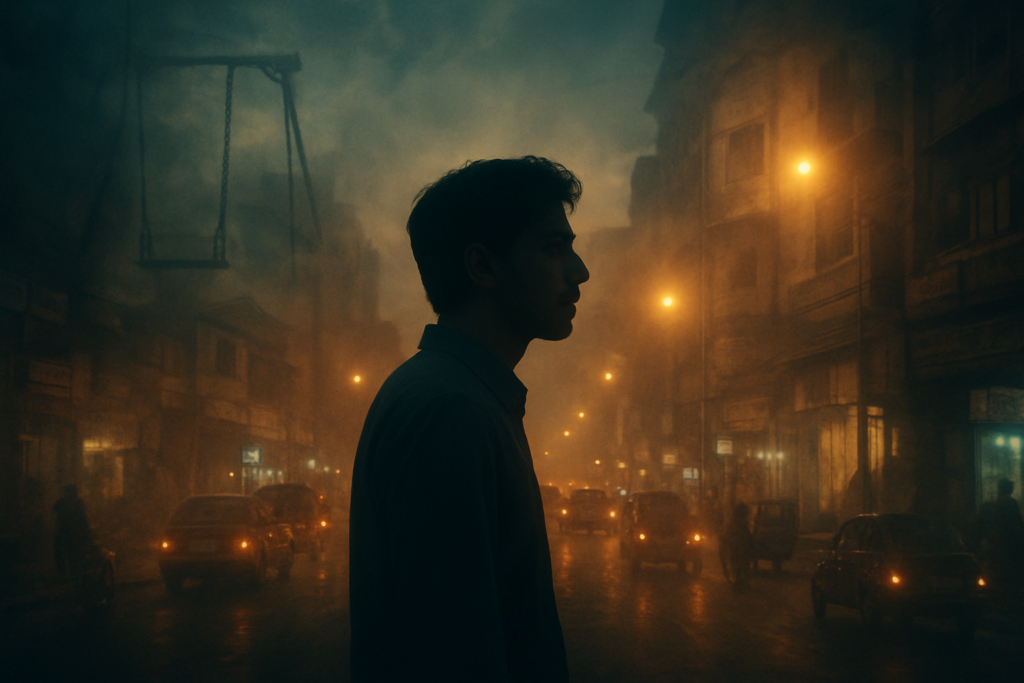
Elahi’s latest work delves into the lingering effects of early‑life experiences. Characters grapple with memories that surface at unexpected moments—much like the beast described in *The Kite Runner*. Through their journeys, the novels explore how past wounds influence present decisions, relationships, and aspirations. The narratives also highlight the tension between traditional values and the demands of a globalised economy, illustrating how Karachi’s bustling streets become both a refuge and a source of anxiety.
**Why the Past Matters in Modern Pakistani Stories**
The resurgence of past‑oriented storytelling reflects a broader cultural shift. As Pakistan’s urban centres expand and digital connectivity reshapes daily life, readers seek stories that acknowledge both heritage and contemporary challenges. By weaving personal histories into the fabric of their plots, authors like Elahi provide a bridge between generations, fostering empathy and understanding.
**Impact on Readers and the Literary Scene**
Readers respond strongly to Elahi’s nuanced portrayal of trauma and resilience. Her characters’ authentic voices encourage conversations about mental health, family dynamics, and the search for identity in an ever‑changing society. Critics note that her work enriches Pakistani fiction by balancing literary depth with accessible storytelling, making it appealing to both academic circles and the general public.
**Conclusion**
The motif of the past, once a familiar literary trope, is being revitalised by Pakistani authors who use it to explore personal and societal wounds. Safinah Danish Elahi’s novels stand out for their sincere focus on ordinary Karachiites, offering a compelling glimpse into how childhood trauma and global pressures intersect. As readers continue to crave authentic, emotionally resonant narratives, the exploration of memory will remain a cornerstone of contemporary Pakistani literature.