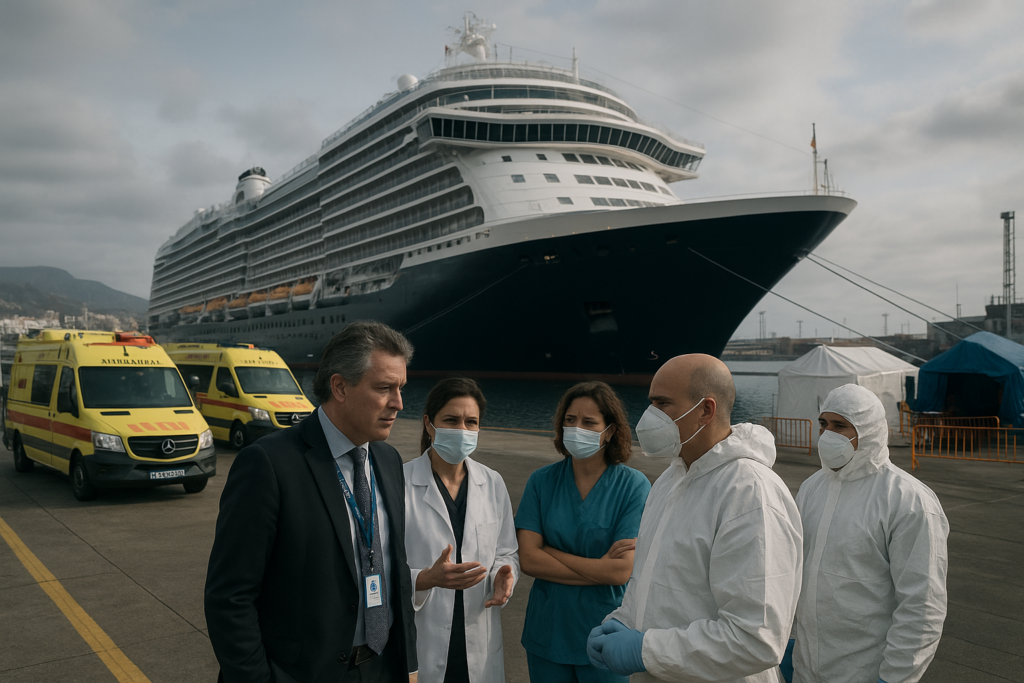

WHO chief lands in Spain ahead of emergency evacuation of hantavirus‑affected cruise ship
Madrid – The head of the World Health Organization arrived in Spain on Tuesday to oversee a coordinated response to a sudden hantavirus outbreak aboard a cruise liner docked at the port of Valencia. The high‑level visit underscores the seriousness of the situation and the need for swift, science‑based action to protect passengers, crew members and the wider community.
The cruise ship, which set sail from the Mediterranean earlier this month, reported a cluster of acute respiratory illnesses among passengers. Laboratory tests confirmed the presence of hantavirus, a rodent‑borne pathogen that can cause severe pulmonary syndrome and, in rare cases, death. Health officials immediately isolated the sick individuals and initiated contact tracing, but the confined environment of the vessel accelerated the spread.
Spanish health authorities, in collaboration with the WHO, announced an emergency evacuation plan. Over 2,000 passengers and crew are being transferred to designated hospitals and quarantine facilities across the country. The WHO chief met with Spain’s Minister of Health, senior epidemiologists and port officials to review containment protocols, ensure adequate medical supplies and discuss post‑evacuation monitoring.
Key actions highlighted during the briefing included:
– Rapid deployment of antiviral medication and supportive care for confirmed cases.
– Implementation of strict infection‑control measures on board, including disinfection of cabins, dining areas and ventilation systems.
– Comprehensive screening of all passengers and crew before departure from Spanish ports.
– Ongoing surveillance of hantavirus activity in the surrounding regions to prevent further spill‑over events.
The WHO representative emphasized that hantavirus transmission to humans typically occurs through inhalation of aerosolised rodent excreta, making the outbreak on a cruise ship an unusual but plausible scenario given the presence of rodents in port facilities. “Our priority is to contain the virus, treat those affected and prevent any secondary spread,” the chief said. “We are working closely with Spanish health services to ensure that all safety standards are met and that the public remains informed.”
Public health experts note that the incident highlights the importance of robust biosecurity measures in the tourism and maritime sectors. Travelers are advised to monitor for symptoms such as fever, muscle aches, and shortness of breath, and to seek medical attention promptly if they develop any of these signs after disembarking.
The WHO team will remain in Spain for the next 48 hours to assist local authorities with data collection, case management and the development of a long‑term prevention strategy. Officials anticipate that the evacuation will be completed by the end of the week, after which a detailed after‑action report will be published.
This coordinated response demonstrates the global health community’s capacity to mobilise quickly in the face of emerging infectious threats, reinforcing the need for vigilance, preparedness and international cooperation.